Saying You’re Sorry

WebAdmin • June 18, 2010

Hello Reader,


Watching the news today I couldn’t help but shake my head and my finger, (I won’t say which one) at B.P.’s CEO Tony Hayward. I’m just one of millions of people outraged by his callous greed and reckless decisions made before and after the oil spill. But the thing that really got to me was the way he said he “was sorry”! Sitting in front of the energy committee hearing, he had the gall to express “regret” for the loss of life and the hardship caused to the families and people in the area, then, when questioned, he in effect said he had nothing to do with the whole fiasco, and didn’t know much about many of the fateful decisions made! The net effect was to generate more rage and outrage in the hearing, and all over the networks. The lesson? When you supposedly apologize for something, you need to SAY YOU’RE SORRY by doing the following:


  1. Take responsibility for your behavior, using “I” statements, i.e. what you DID to cause harm.
  2. After you go into the details of the situation and your role in it, express remorse and regret.
  3. Acknowledge your understanding of the harm done to the other, the hurtful impact.
  4. Ask for forgiveness, and acknowledge to the victim that they may or may not grant it.
  5. Commit to some form of repentance, some corrective behavior to avoid repeated harm.


What Hayward did instead was what I see in couples work all too often: “I’m SORRY! (Get over it!)”


(Maybe watching CNN isn’t the best way to start the day)………………


Goodnight,

Susan Lager


P.S. Check out my latest published articles about relationship issues at: http://EzineArticles.com/?expert=Susan_Lager


By WebAdmin February 6, 2026
Greetings Reader, Do you remember one of those days when everything that could go wrong, did?  It happens to the best of us, and when it unfolds it feels like a sick dominoes game. My husband had one today, and couldn’t stop talking about all the gory details. Then when he was done, he seemed […] The post Marriage and Bad Hair Days appeared first on Susan Lager.
Couple holding hands, standing in a park, smiling. Man in denim shirt, woman in white top, soft sunlight.
February 3, 2026
Couples often share goals, routines, and long-term plans, yet personal development can quietly become a source of friction if it’s rushed or uneven. Sustainable growth is less about constant self-improvement and more about pacing change so both partners stay engaged. When development feels integrated into everyday life, momentum builds naturally instead of collapsing under exhaustion. Key Takeaways ● Sustainable growth favors consistency over intensity. ● Personal goals thrive when they’re acknowledged, not merged. ● Small rituals create more momentum than big declarations. ● Progress accelerates when reflection is shared, not forced. Why Sustainable Growth Looks Different for Couples Individual development is often framed as a solo pursuit, but couples add a relational layer that changes the math. One partner’s rapid change can unintentionally destabilize routines or expectations the other depends on. Sustainable progress respects that growth happens in parallel, not in lockstep, and that pauses are sometimes as valuable as breakthroughs. Designing Personal Goals That Don’t Compete Healthy couples distinguish between “mine,” “yours,” and “ours.” Personal goals should be named clearly so they don’t feel like silent benchmarks the other partner is expected to meet. This clarity reduces resentment and allows encouragement to feel supportive rather than evaluative. How Couples Maintain Momentum Couples maintain momentum when they rely on a small set of repeatable actions: ● Choose one personal focus each, limited to a three-month window. ● Agree on one shared habit that supports both goals indirectly. ● Schedule brief monthly check-ins to reflect, not recalibrate. ● End each cycle by naming what felt energizing versus draining. How Education Choices Can Support Individual and Shared Stability Career development often plays a role in personal growth, especially when it affects financial security and time. Earning a degree can expand career options and confidence, which often ripples positively through a relationship. Flexible programs make this more realistic, and an online path can help balance study with shared responsibilities. For example, pursuing an online degree in cyber security can build practical expertise in systems and services, networking and security, scripting and programming, data management, and the business of IT. Comparing Growth Approaches Couples Often Try  Different strategies produce different long-term effects.
By Cheryl Conklin January 16, 2026
"Cheryl Conklin is a writer, tutor, and lifelong adventurer dedicated to promoting wellness and personal growth. As the founder of Wellness Central , she shares insights, resources, and experiences drawn from her journeys and passion for balanced living helping others pursue health, happiness, and fulfillment"
Couple embraces at the beach, heads touching. Ocean in background, overcast sky.
November 19, 2025
The early days of marriage feel like a mixture of comfort, discovery, tiny surprises, and the occasional “Wait, you do it like that?” moment. Building a shared life is not about creating a perfect routine. It is about shaping a partnership where both people feel supported, understood, and genuinely excited for what comes next. The Nitty Gritty Create shared habits, stay curious about each other, talk about money openly, combine dreams with practical planning, and keep joy in the mix. This is your roadmap to a solid relationship.  FAQ
October 24, 2025
Anxiety attacks rarely ask permission. They sneak in when the calendar is packed, when your phone won’t stop buzzing, or when even the people you love most can’t seem to help you calm down. If you're in a relationship, anxiety can feel doubly complicated — you’re managing your own emotional regulation while trying not to transfer that stress onto your partner. It’s a tightrope walk. The good news? You can build a daily structure that lowers your baseline anxiety and prevents full-blown panic from creeping in. Below are grounded, real-world techniques that help intercept anxiety before it spirals.
Bride and groom embrace outdoors, smiling. She wears a white lace dress; he wears a black suit.
October 1, 2025
Planning a wedding is a full-time job. So is buying a home. Now imagine doing both at once — while also preparing to move, host family, and not lose your relationship in the process. For many couples, these life events collide within the same six to nine months, each demanding time, money, and emotional bandwidth. But chaos doesn’t have to be the default. With a bit of pre-alignment and some sharp trade-off thinking, you can move through all three transitions without burning out or breaking the bank.
Man and woman high-fiving, in a brightly lit living room.
September 16, 2025
You want to feel better together, not just “less stressed” in parallel. Aim for small, shared practices that nudge your bodies toward calm and your bond toward steadier connection. Treat each experiment as playful, not perfect, so you’ll both return to it next week. Keep the stakes low, the sessions short, and the feedback kind. Write down what helped and what didn’t so future you can copy the wins without overthinking. The point isn’t to become experts; it’s to build a few rituals that make hard weeks gentler and good weeks richer.
September 2, 2025
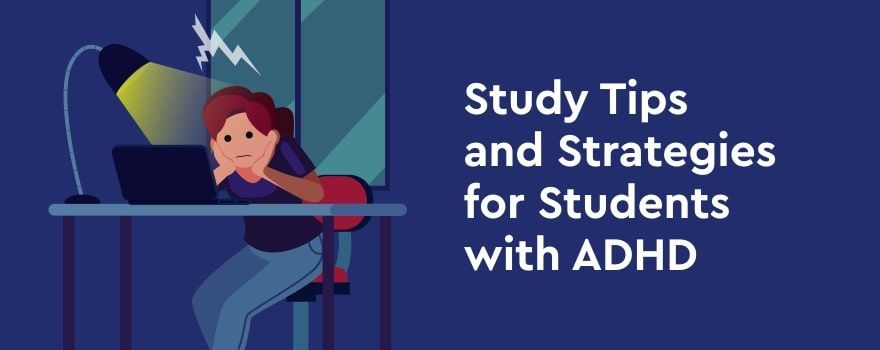
If you’re a college student with ADHD, you should feel proud of your accomplishments. However, if you have ADHD, meeting your academic goals can be challenging. Managing your ADHD and achieving academic success is a result of persistence and hard work. Thankfully, there are many tools and strategies to ensure a successful college experience. Everything from time management and memory improvement to mindset changes and accessibility aids on campus can boost your study skills and help you meet your goals.