Just Do It!

WebAdmin • August 21, 2011

I’ve worked with hundreds of clients over the years who tell me they don’t do healthy things like exercise, meditate, or eat moderately because they don’t feel like it. People who are depressed or anxious, and the most in need of self-nurture, are often the biggest culprits, rationalizing a lack of self care with their lack of motivation / energy. Especially when people are biochemically compromised, as they are in a clinical depression, I push back and often say, “Who in their right mind feels excited about getting out of a nice warm bed, particularly on a dark, cold morning, to freeze outdoors on a run? Only Olympic athletes, or people who’ve had a lobotomy! You need to ‘just do it’, as the Nike slogan says.”

The Prochaska Change theory emphasizes the stages people need to go through to get to the action part of change: pre-contemplation, contemplation, and preparation. According to this theory, change isn’t something you usually just logically decide to do, and then do. One must first feel stirrings internally, then face and resolve the ambivalence about letting go of the status quo. One must also prepare with an action plan. The problem is that folks can get lost in any one of the stages, overthinking the whole thing. The fallacy is that once the ambivalence is “resolved”, one will be sufficiently motivated to act. Deciding why something like stopping smoking is good for you, is important. Knowing your tools to achieve it is vital. Having an action plan, especially one which makes the process more pleasant, is critical. But to “pull the trigger” don’t wait for a burning desire (excuse the pun) to ban the butts. Just do it.

I use this psychology in my own life as well. If I over-think my motivation to pay bills or do book work, I’m dead in the water. I’ll even vacuum the house, or clean toilets to avoid it! So I think of it this way: there are some things in life that are equivalent to bad tasting medicine – horrible going down, but good for you in the long run. The challenge is twofold:

  1. Make the “medicine” taste better so you’re more apt to take it.
  2. Make your motivation for action the “caboose”, not the “locomotive”. In other words, focus on how you feel about it  after you’ve done it, not before.

So if you’re avoiding something you need to do which you know will be good for you, like exercising regularly, don’t wait for the stars to line up as a sign of the “perfect moment”. Stop thinking about it so much on the front end. Just do it! You’ll be glad you did.

Gotta go take those nasty vitamins,
Susan Lager

The post Just Do It! appeared first on Susan Lager.

Couple embraces at the beach, heads touching. Ocean in background, overcast sky.
November 19, 2025
The early days of marriage feel like a mixture of comfort, discovery, tiny surprises, and the occasional “Wait, you do it like that?” moment. Building a shared life is not about creating a perfect routine. It is about shaping a partnership where both people feel supported, understood, and genuinely excited for what comes next. The Nitty Gritty Create shared habits, stay curious about each other, talk about money openly, combine dreams with practical planning, and keep joy in the mix. This is your roadmap to a solid relationship.  FAQ
October 24, 2025
Anxiety attacks rarely ask permission. They sneak in when the calendar is packed, when your phone won’t stop buzzing, or when even the people you love most can’t seem to help you calm down. If you're in a relationship, anxiety can feel doubly complicated — you’re managing your own emotional regulation while trying not to transfer that stress onto your partner. It’s a tightrope walk. The good news? You can build a daily structure that lowers your baseline anxiety and prevents full-blown panic from creeping in. Below are grounded, real-world techniques that help intercept anxiety before it spirals.
Bride and groom embrace outdoors, smiling. She wears a white lace dress; he wears a black suit.
October 1, 2025
Planning a wedding is a full-time job. So is buying a home. Now imagine doing both at once — while also preparing to move, host family, and not lose your relationship in the process. For many couples, these life events collide within the same six to nine months, each demanding time, money, and emotional bandwidth. But chaos doesn’t have to be the default. With a bit of pre-alignment and some sharp trade-off thinking, you can move through all three transitions without burning out or breaking the bank.
Man and woman high-fiving, in a brightly lit living room.
September 16, 2025
You want to feel better together, not just “less stressed” in parallel. Aim for small, shared practices that nudge your bodies toward calm and your bond toward steadier connection. Treat each experiment as playful, not perfect, so you’ll both return to it next week. Keep the stakes low, the sessions short, and the feedback kind. Write down what helped and what didn’t so future you can copy the wins without overthinking. The point isn’t to become experts; it’s to build a few rituals that make hard weeks gentler and good weeks richer.
September 2, 2025
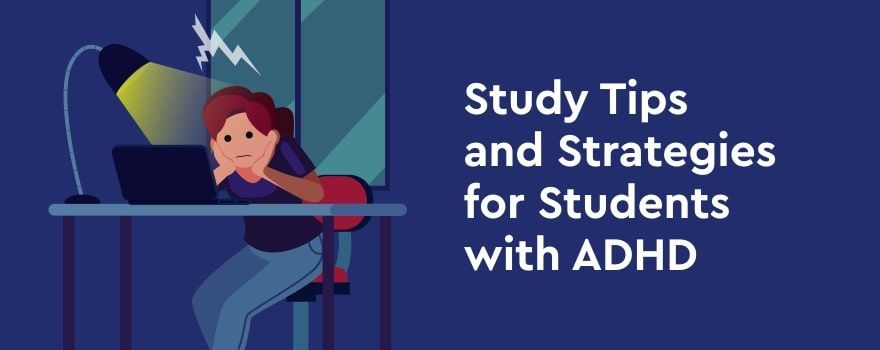
If you’re a college student with ADHD, you should feel proud of your accomplishments. However, if you have ADHD, meeting your academic goals can be challenging. Managing your ADHD and achieving academic success is a result of persistence and hard work. Thankfully, there are many tools and strategies to ensure a successful college experience. Everything from time management and memory improvement to mindset changes and accessibility aids on campus can boost your study skills and help you meet your goals.
By By Modupe Ayobami July 16, 2025
I had just put to bed and joined a postpartum mom group on WhatsApp where new moms discussed everything about their journey as first-time, second-time, and many-time moms. They shared their joys, struggles, and pains, especially their pains. One of those pain-filled stories came from a second-time mom who had just birthed twins a few weeks ago.
July 8, 2025
Modupe Grace Ayobami is a passionate writer, relationship thinker, and storyteller who explores the intricacies of love, marriage, and human connection from a place of honesty and healing. She writes to challenge toxic norms, champion emotional intelligence, and inspire people to choose themselves boldly before choosing a partner. Her work is rooted in deep empathy, biblical insight, and a desire to see healthier relationships thrive across cultures.
By Susan Lager March 31, 2024
This past month has been a whirlwind of initially trauma, then a series of sweet surprises and blessings. Following a serious car accident I've watched my body heal in unimaginable ways, consistent with the assurances of my doctors and nurses. I've learned about resilience, my own, but also other peoples'. My single sister came up to Maine to provide "nursemaid" services for two weeks, and graciously attended to me day and night. Her patience, diligence and compassion even surprised herself. My husband, who is limited physically, has done the same, also hauling my wheelchair in and out of the car, patiently fetching tons of thing I can't reach, and even walking Luca, our naughty dog, in the local park. This is all after "remodeling" our downstairs floor to be wheelchair-friendly, with all the supplies I need accessible - no easy feat! Our son and daughter-in-law have provided fabulous meals, visits, help with buying a new car, and new phones and watches so we can be more accessible. Our two granddaughters have visited and been loving, tender and attentive, surprisingly, at ages three and six! My other sister has provided funding for unlimited takeout meals, as her physical limitations prevent a late Winter visit up to Maine. Friends have provided dog walking, solicitous calls, and car trips to doctors while I'm unable to drive, with a broken right leg. Neighbors have provided the biggest surprises of all: multiple dog walks, pots of soup, ongoing offers of help, and continued concern about my status. I've been blown away by the compassion and generosity around me! These are people I would not previously have defined as "friends", but they sure will be, moving forward! Clients who previously insisted on live sessions, have been flexible and gracious in doing telehealth instead. One couple I've worked with for awhile sent me the largest, most beautiful bouquet of flowers I've ever seen in my life. I've also surprised myself with my resilience, mostly good cheer, adherence to the "Rules of Slow," and allowing others to help me, even asking for help when they can't read my mind. This has been virgin territory for me. So what's the lesson (besides trying to avoid avoidable car accidents)?: - Try not to shortchange either yourself or others with low expectations - see the possibilities. See the good in people. - Cultivate yourself as a Surpriser to others, particularly when they need it. Nurture community. Avoid self absorption. - Learn from adversity and grow. - Don't watch too much news, especially the traumatic stuff! It can distort your experience of life.... - Embrace the surprises that come your way, and let yourself feel deserving.